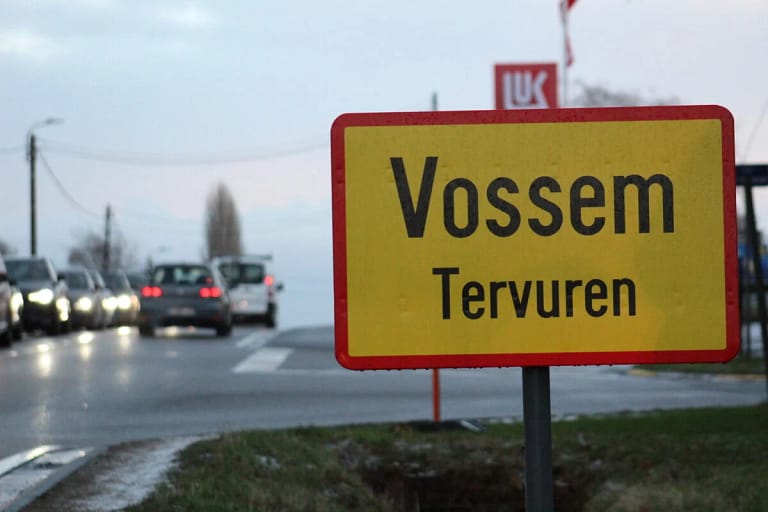

TERVUREN, Belgium — A critical Rekenhof report on Flemish infrastructure funding is expected to shape debate at this week’s Tervuren council meeting, where officials will discuss the stalled N3 Leuvensesteenweg redevelopment, municipal finances and road safety concerns.
Tervuren’s town council will meet on Thursday 25 June to approve the municipality’s 2025 accounts and discuss a range of policy issues, but concerns over the future of safety improvements on the N3 Leuvensesteenweg are expected to dominate the debate following a critical report by Belgium’s Court of Audit.
The report, published by the Rekenhof, found that funding decisions for roads, tunnels and cycling infrastructure in Flanders are increasingly influenced by political choices rather than objective criteria. Auditors said project rankings and investment decisions were often insufficiently substantiated, raising concerns about transparency and the prioritization of public infrastructure spending.
The findings have renewed attention on the stalled redevelopment of the N3 Leuvensesteenweg in Tervuren, a major regional road that local officials and mobility advocates have long identified as a road safety concern. Councillors will also review a letter from Flemish Mobility Minister Annick De Ridder regarding the planned redesign of the corridor.
The council agenda includes approval of the municipality’s 2025 annual accounts, the financial statements of the local welfare agency (OCMW) and the annual report of the autonomous municipal company Bexit. The financial review comes amid concerns about Tervuren’s long-term debt trajectory, which is projected to increase from €20 million to €40 million by 2030 due to major infrastructure plans put forward by the mayor.
The Rekenhof report has given new momentum to local criticism of the decision to postpone the Leuvensesteenweg project. After years of advocacy by Fietsersbond Tervuren and discussions between local and regional authorities, plans had been developed to reconstruct the road and add dedicated cycling and pedestrian infrastructure.
“The plans were ready, approved, and there was both time and manpower to begin,” Mayor Thomas Geyns told De Standaard. “We met all the criteria for reconstruction. The fact that this project is not moving forward is a political choice.”
Beyond mobility and infrastructure, councillors are expected to approve new social benefit regulations, development aid subsidies, found-property rules, a cooperation agreement concerning the AfricaMuseum parking facility and a sewerage project in Moorsel.
With the Rekenhof warning against politically driven infrastructure decisions and residents continuing to raise concerns about road safety on the N3, the allocation of mobility funding is likely to be the defining issue of the council meeting.
